


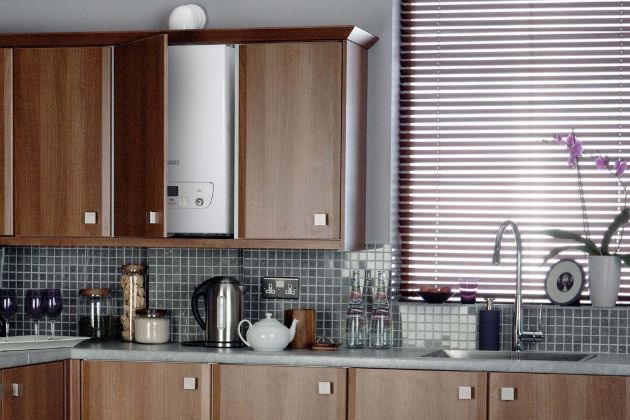
A boiler fault can cause immediate disruption, especially when you rely on it for daily comfort. When something goes wrong, most people look for clear answers before taking action. This expanded FAQ guide explains the most common boiler repair questions in more depth, giving you useful information, practical steps to try and guidance on when a heating engineer is needed.
When your boiler stops without warning, the first step is to look at the basics. Check that the boiler has power and the fuse has not tripped. Ensure your thermostat has not been accidentally turned down or switched off. You can also check the pressure gauge, as low pressure often causes a boiler to lock out.
If these checks look normal and the boiler still refuses to restart, the fault is likely internal. At this point, a professional inspection is the safest and quickest way to identify the cause and get the system running again.
Boiler pressure is essential for the system to work correctly, and losing pressure usually points to an issue somewhere in the heating system. A leak in a pipe, radiator or joint can slowly lower pressure. Bleeding radiators can also cause temporary pressure drops.
Another frequent cause is a faulty pressure relief valve that releases water when it should remain sealed. Although you can top up your boiler pressure using the filling loop, a repeated loss of pressure means there is an underlying fault that should be checked properly.
A boiler should run smoothly and quietly, so any new noise is worth investigating. Banging sounds often relate to kettling, caused by limescale or sludge affecting the heat exchanger. Whistling may suggest air trapped in the system, while gurgling can indicate low water levels or blockages. These noises are early warning signs that the boiler is struggling. Leaving them unattended can lead to further component damage, making repairs more costly later on. An engineer can carry out a full system check to pinpoint the exact source of the noise.
This is a common issue, especially with combi boilers. If your heating works but your hot water does not, a faulty diverter valve is often the cause. This valve directs hot water between your taps and radiators, and when it sticks, the boiler struggles to provide one or both. Other causes include defective sensors, blocked pipes or mineral buildup affecting internal flow. If the problem appears suddenly or keeps returning, it is important to have it inspected, as continual strain can damage other components.
The duration of a boiler repair in Guildford, Godalming and Milford depends on the type of fault. Most routine repairs, such as replacing sensors, valves or ignition components, can be completed within one to two hours. Issues involving major parts like pumps or circuit boards may take longer, especially if replacement parts are needed. Your heating engineer will usually diagnose the fault quickly and give a clear estimate of how long the repair should take before starting any work.
The cost of repairing a boiler depends on the fault, the parts required and the age of the boiler. Simple fixes are often affordable, while more complex repairs can increase costs. Boilers that are older or prone to frequent breakdowns may eventually become more costly to repair than replace. Regular servicing can reduce repair costs over time by catching small issues before they turn into major faults.
Keeping your boiler running smoothly is easier with a bit of routine care. Check your pressure levels periodically, bleed radiators when needed to stop trapped air affecting circulation and listen for new noises that suggest something needs attention. Annual servicing is one of the best ways to prevent breakdowns because an engineer can clean internal components, check for wear and confirm that everything is working safely and efficiently.
You should contact a qualified engineer any time you see repeated shutdowns, a major pressure drop, a significant leak or any signs of a gas issue. If there is a burning smell, visible damage or ongoing error codes, the boiler should not be used until it has been checked. Modern boilers are complex, and incorrect handling can create safety risks. A professional can diagnose faults accurately and repair them before they lead to further damage.
Proper Heat offers expert boiler repair services to help keep your heating and hot water working all year. For fast assistance, call 07876108958 or fill out our contact form to book a professional repair today.


All Right Reserved © Proper Heat Ltd - Company Number 16342110 | Website by BUILT
.svg)


.jpg)

